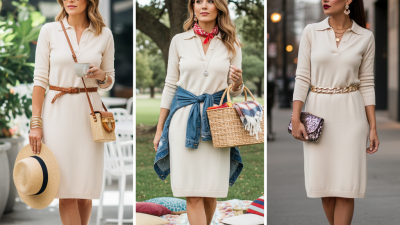
2026 Top Polo Dress Trends for Global Buyers to Consider?
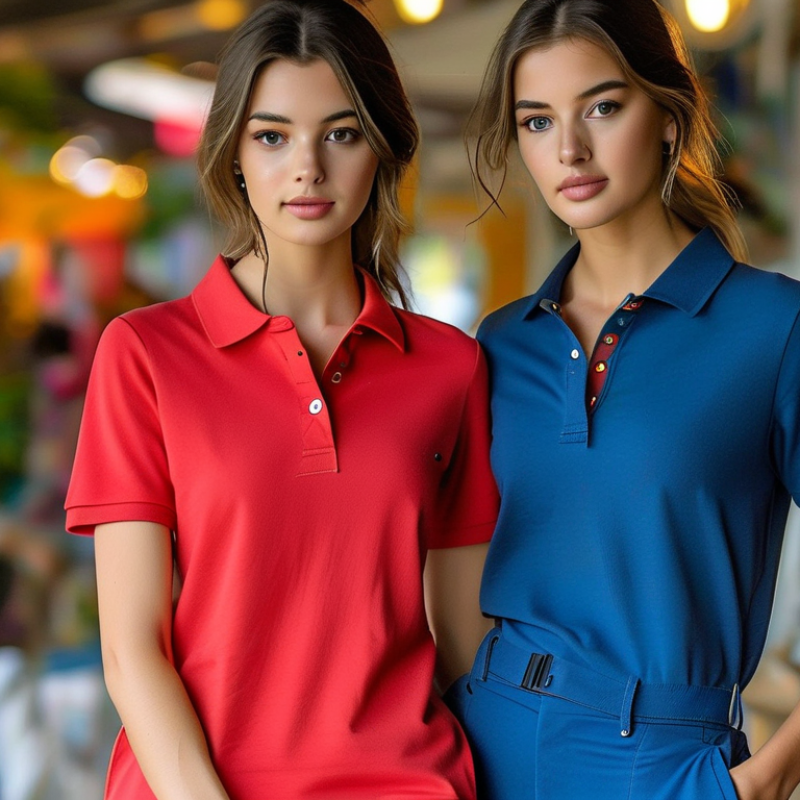
As we journey toward 2026, the fashion landscape is evolving, particularly with Polo Dresses. These garments are not just stylish but reflect a blend of comfort and sophistication. Polo Dresses cater to various occasions, making them essential for global buyers.
Recent trends indicate a shift toward sustainable materials. Eco-friendly fabrics and ethical production processes are becoming essential considerations for buyers. Additionally, vibrant colors and unique patterns are gaining traction. This shift shows the demand for versatility in Polo Dresses.
However, the market still holds challenges. Sizing inconsistencies and quality variations are persistent issues. Buyers must navigate these hurdles to make informed decisions. Staying updated on trends and consumer preferences is critical in this competitive arena. The Polo Dress remains a powerful staple, yet continuous reflection on quality and style is necessary for success.
2026 Polo Dress Trends: Color and Pattern Innovations
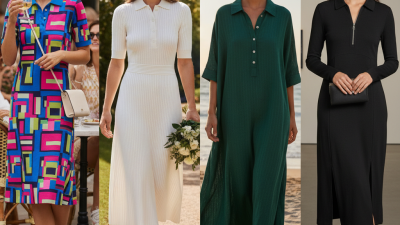
Polo dresses are evolving. The 2026 trends showcase innovative colors and patterns that catch the eye. Expect to see rich jewel tones like emerald green and deep ruby. These hues add a touch of luxury to casual wear. They also resonate with the growing preference for bold choices in fashion.
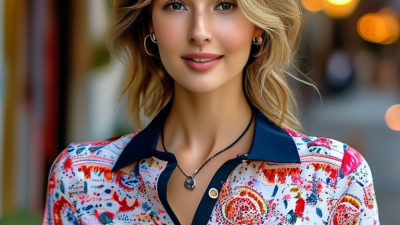
Patterns are equally exciting this year. Geometric designs and abstract prints are making waves. These patterns are not just visually appealing; they can express individuality. However, one must be careful. Mixing too many patterns can overwhelm the outfit. Simplicity sometimes wins, even in vibrant styles.
Sustainability remains crucial in fashion. Eco-friendly dyes and materials are becoming popular. Consumers are prioritizing comfort alongside style. While trendy pieces are vital, practicality should not be overlooked. Finding the right balance is essential for a lasting wardrobe. It’s a reminder that trends should evolve with personal values.
2026 Top Polo Dress Trends for Global Buyers to Consider
| Trend No. |
Color Palette |
Pattern Type |
Fabric Type |
Target Audience |
| 1 |
Pastel Shades |
Floral Prints |
Cotton Blend |
Young Adults |
| 2 |
Earth Tones |
Geometric Patterns |
Linen |
Eco-conscious consumers |
| 3 |
Vibrant Neons |
Abstract Designs |
Polyester |
Teens and Young Adults |
| 4 |
Classic Navy and White |
Stripes |
Pima Cotton |
All Age Groups |
| 5 |
Metallic Hues |
Graphic Tees |
Stretch Fabric |
Fashion-forward Audience |
Sustainable Fabrics in Polo Dress Design for 2026
Sustainable fashion is transforming the polo dress industry. In 2026, buyers will increasingly seek garments made from eco-friendly fabrics. According to the Global Fashion Agenda, 75% of consumers prioritize sustainable options. This trend reflects growing awareness about environmental impacts.
Organic cotton and recycled polyester are gaining traction. These materials reduce waste and promote resource efficiency. The Fashion Sustainability and Responsibility Act emphasizes the need for transparency in sourcing. Brands that implement sustainable practices enhance their market appeal. Yet, many designers face challenges in accessing sustainable materials.
Furthermore, the rise of eco-consciousness invites reflection. While many brands express commitment to sustainability, not all follow through. Industry audits reveal that only 30% truly prioritize sustainable production. This gap highlights the need for accountability. Buyers should be mindful of brands' claims. Embracing sustainable fabrics is essential, but it requires a genuine commitment to ethical practices.
Key Styles of Polo Dresses for Different Body Types
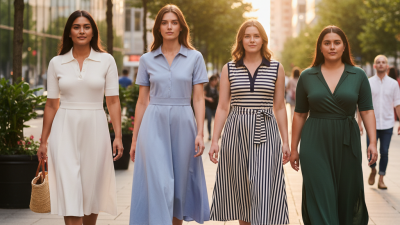
When exploring the key styles of polo dresses for various body types, it’s essential to understand how different cuts can enhance one’s silhouette. For those with an hourglass shape, fitted polo dresses that cinch at the waist can highlight curves beautifully. A belt or tie can add definition, drawing the eye to the waist. Relaxed options in softer fabrics also work, ensuring comfort without sacrificing style.
If you have a pear-shaped figure, opt for A-line polo dresses. These styles gently flare out from the hips, balancing the body’s proportions. Look for dresses with interesting necklines or embellishments at the top to draw attention upwards. Patterns can also play a role; brighter colors on top could minimize the focus on the lower half.
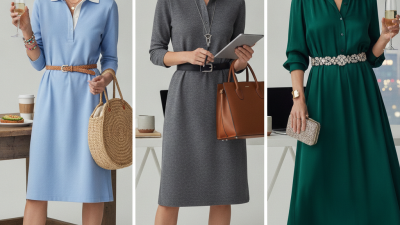
Choosing the right polo dress is crucial. Pay attention to fabric and fit. A lightweight cotton blend can offer breathability, especially in warmer months. Don't shy away from experimenting with length. A midi version can be a versatile choice, offering elegance and ease. Everyone has their unique style, so it’s beneficial to try on different silhouettes. Ultimately, what matters is how you feel in the outfit.
2026 Top Polo Dress Trends for Global Buyers
Influential Designers Shaping the Future of Polo Dresses
The future of polo dresses is being reshaped by influential designers around the globe. Many creators draw inspiration from diverse cultures and eco-friendly materials. This blending of tradition and modernity leads to unique collections. Designers are breaking conventional boundaries, encouraging a fresh take on polo dress aesthetics.
Innovators focus on sustainability. They utilize organic fabrics that are both stylish and environmentally conscious. This shift is crucial as consumers become more aware of their choices. Designers also experiment with silhouettes and colors to appeal to a broader audience. Some styles reflect a vintage charm, while others embrace bold, contemporary designs.
Despite these advancements, challenges remain. Not all designers embrace inclusivity; some neglect a wider size range. This oversight can alienate potential customers. Designers must continually reflect on their practices. Addressing these flaws can foster a more inclusive fashion landscape. Overall, the evolution of polo dresses is exciting, yet it calls for continuous improvement and reflection.
Cultural Influences on Polo Dress Trends in 2026
Cultural influences are pivotal in shaping the polo dress trends of 2026. Designers are drawing inspiration from various global traditions. For instance, vibrant patterns from African cultures are making waves in polo dress designs. These patterns reflect a rich heritage and add unique flair. Similarly, Asian aesthetics are influencing silhouettes and cuts. Loose-fitting styles typical of some Asian regions bring comfort and originality.
The resurgence of retro styles also has roots in cultural nostalgia. Many are revisiting the polo designs of the 90s, mixing old with new. This creates a sense of familiarity while allowing for personal expression. However, the challenge remains in striking a balance between modernity and tradition. This blend can sometimes feel forced. Designers must be cautious of cultural appropriation, ensuring they honor origins rather than exploit them.
Social movements are also playing a key role. With a focus on sustainability, buyers show a preference for ethically produced polo dresses. These choices reflect broader cultural values of responsibility and care for the planet. As buyers become more discerning, brands need to respond to this shift. Fashion is no longer just about aesthetics; it’s also about alignment with cultural ideals.