How to Choose the Best Snow Jacket for Ultimate Protection and Comfort
When it comes to enjoying winter sports or simply braving the cold, choosing the right snow jacket is essential for both protection and comfort. Renowned industry expert, Dr. Emily Winters, a leading authority in outdoor apparel technology, emphasizes the importance of selecting a high-quality snow jacket: "A snow jacket should safeguard you against the elements while providing the comfort and freedom of movement that every winter adventurer needs."
Finding the best snow jacket involves understanding the various features that contribute to warmth, waterproofing, and breathability. With a myriad of options available on the market, it can be overwhelming for outdoor enthusiasts to determine which jacket will meet their needs. As winter approaches, having the right snow jacket can make the difference between an exhilarating day on the slopes and a miserable experience in the chill.
As we delve into the key factors to consider when choosing a snow jacket, from insulation types to waterproof ratings, it becomes clear why making an informed decision is crucial. Whether you're a seasoned pro or a newcomer to winter sports, the right snow jacket is your best ally in facing the frosty outdoors with confidence and ease.
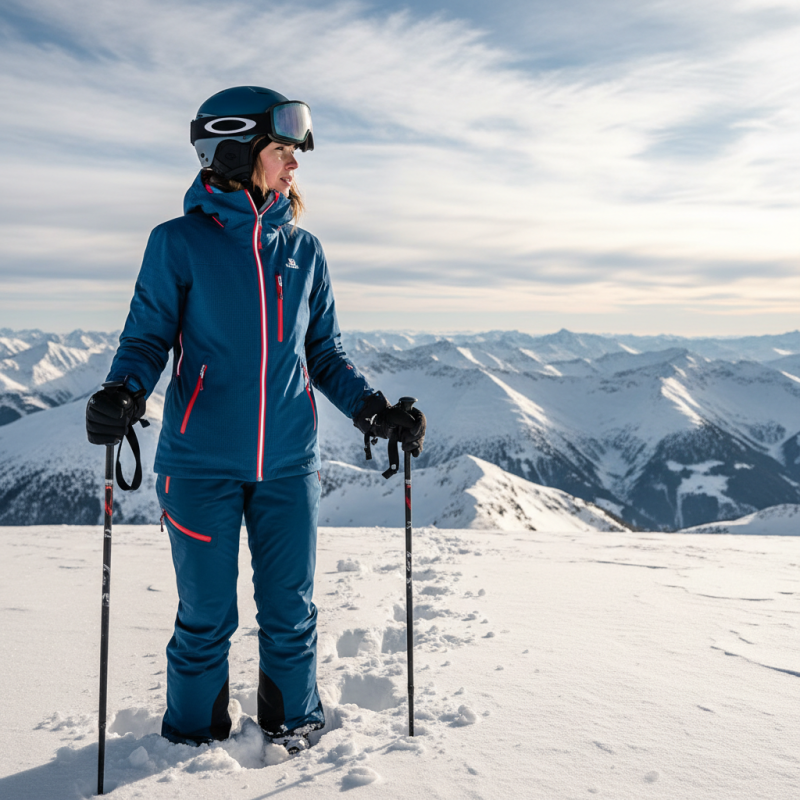
Choosing the Right Insulation Material for Snow Jackets: Types and Benefits
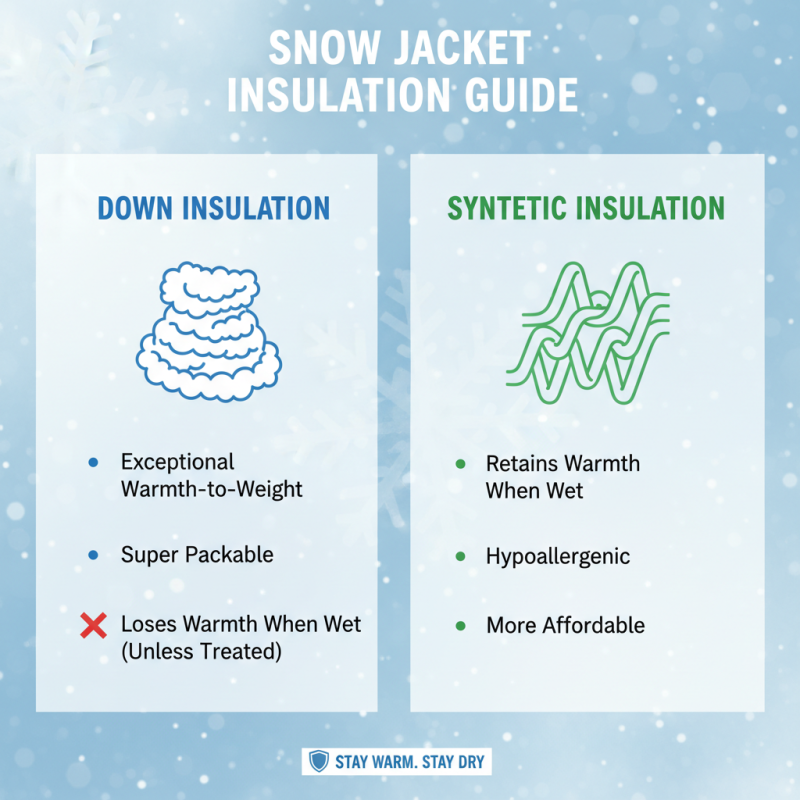
When selecting the perfect snow jacket, one of the most crucial elements to consider is the insulation material used in its construction. Insulation is essential for maintaining body warmth in frigid conditions, and it comes in various types, each with distinct benefits. The two primary categories of insulation are down and synthetic materials. According to a report by the Outdoor Industry Association, down insulation is renowned for its exceptional warmth-to-weight ratio, providing significant warmth without the bulk. However, it's important to note that down loses its insulating properties when wet, making it less ideal for wet, snowy conditions unless treated with a waterproofing agent.
Synthetic insulation, on the other hand, has gained popularity due to its ability to retain warmth even when damp. Materials like polyester fillers offer durability and are often easier to care for, while also drying faster than down. The insulation industry has evolved, with advancements leading to products that mimic the loft and warmth of down while maintaining superior moisture management. In fact, a study published by the International Journal of Clothing Science and Technology highlighted that modern synthetic insulations can provide comparable thermal efficiency to down, making them a versatile choice for varied weather conditions.
Choosing the right insulation material ultimately depends on the intended use and expected weather exposure. For backcountry enthusiasts who may encounter wet environments or variable conditions, synthetic options often provide peace of mind. Conversely, for those engaging in less strenuous activities in dry, cold environments, down might be the ideal choice for its unparalleled warmth. Understanding these distinctions can significantly impact comfort and protection while enjoying winter activities.
Understanding Waterproof Ratings: What Do They Really Mean for Snow Gear?
When selecting a snow jacket, understanding waterproof ratings is crucial to ensure your comfort and protection in harsh winter conditions. Waterproof ratings are typically measured in millimeters (mm), which indicate the amount of water pressure a fabric can withstand before it begins to leak. For instance, a jacket with a rating of 5,000 mm can resist light rain and snow, making it suitable for casual winter wear. However, if you're planning on engaging in more intense activities like skiing or snowboarding, you should look for jackets with a higher rating, such as 10,000 mm or more, which can handle harsher weather conditions.
In addition to waterproof ratings, breathability is another critical factor to consider. Breathability ratings, measured in grams (g), denote how much moisture vapor can escape from the fabric over a specific time period. A jacket with a 10,000 g rating will allow sweat to evaporate, preventing you from feeling clammy during high-energy activities. For optimal performance in varying conditions, it’s essential to find a balance between waterproofness and breathability, as a jacket that is entirely waterproof but non-breathable can lead to discomfort and excessive moisture build-up inside, negating its protective benefits. By carefully considering these ratings, you can choose a snow jacket that will keep you dry and comfortable in all your winter adventures.
The Importance of Breathability in Snow Jackets: Key Features to Consider
When choosing a snow jacket, breathability is a crucial feature to consider for ultimate comfort during outdoor activities. The effectiveness of a snow jacket isn't solely about insulation; it's also about how well it allows moisture to escape from the inside. According to a report by the Outdoor Industry Association, 60% of outdoor enthusiasts rank breathability as the top factor when selecting performance apparel. A jacket that effectively wicks away sweat reduces the risk of chilling cold and promotes comfort, especially during high-intensity activities like skiing or snowboarding.
To ensure breathability, look for jackets made from advanced moisture-wicking fabrics with features such as pit zips or mesh-lined vents. These elements enhance airflow, helping to regulate body temperature. Additionally, a jacket's waterproof rating should not overshadow its breathability. An ideal snow jacket strikes a balance between these two factors, ensuring that water stays out while allowing your body to breathe, keeping you dry from the inside out.
Tips for selecting the right snow jacket include trying it on with your typical winter layers to check for fit and mobility, ensuring that it has adjustable cuffs and hems to keep out snow and wind, and opting for jackets with a higher breathability rating, typically above 10,000 g/m²/24h. Pay attention to industry ratings and reviews to help steer your decision towards a jacket that provides the best comfort and protection for your winter adventures.
How to Choose the Best Snow Jacket for Ultimate Protection and Comfort - The Importance of Breathability in Snow Jackets: Key Features to Consider
| Feature |
Importance |
Recommended Specifications |
| Waterproofing |
Keeps you dry in snowy or wet conditions. |
Minimum 10,000 mm waterproof rating. |
| Breathability |
Prevents overheating and moisture buildup during physical activity. |
Minimum 10,000 g/m²/24h breathability rating. |
| Insulation |
Provides warmth in cold conditions. |
Synthetic or down with at least 100g insulation. |
| Fit |
Allows for unrestricted movement and layering. |
Consider slim, regular, or relaxed fit based on preference. |
| Seam Sealing |
Prevents water from seeping through seams. |
Fully sealed or critically sealed seams recommended. |
| Hood Design |
Provides additional weather protection. |
Adjustable hoods are ideal; helmet-compatible preferred. |
Sizing and Fit: How Proper Aspects Enhance Comfort and Mobility in Snow Jackets
When it comes to selecting the ideal snow jacket, understanding sizing and fit is crucial for optimizing both comfort and mobility. A well-fitted jacket should conform to the body's natural shape without restricting movement. This means it should provide ample room for layering underneath, allowing for insulation while still ensuring that the jacket remains snug enough to prevent cold drafts. Look for features such as adjustable cuffs and hems to customize the fit. A longer cut can offer additional coverage, especially in areas that are prone to exposure to the elements.
Furthermore, the construction of the jacket significantly impacts comfort and functionality. Jackets with articulated sleeves and breathable fabrics enhance mobility, making it easier to navigate the slopes or engage in active pursuits. Additionally, the strategic placement of seams can reduce chafing and discomfort during wear. An ideal snow jacket should strike a balance between being form-fitting and allowing for freedom of movement, providing a seamless blend of warmth and flexibility for outdoor enthusiasts. Paying close attention to these aspects will ensure that you can enjoy winter activities without feeling restricted by your gear.
Comparing Layering Systems: How to Optimize Your Snow Jacket's Performance
When selecting the optimal snow jacket for both protection and comfort, understanding the layering system is crucial. Layering not only enhances thermal insulation but also allows for the regulation of moisture and temperature, adapting to varying outdoor conditions. According to a report by Outdoor Industry Association, 67% of outdoor enthusiasts prefer a layering system that includes a base layer for moisture wicking, an insulating mid-layer, and an outer shell for wind and water resistance. This approach not only maximizes comfort but also ensures that individuals remain dry and warm, thereby enhancing overall performance in cold environments.
The primary function of each layer in your snow jacket system cannot be overstated. A base layer crafted from synthetic materials or merino wool effectively draws sweat away from the skin, maintaining a comfortable microclimate. Meanwhile, the mid-layer, often composed of fleece or down, traps heat to provide essential insulation. The outer shell serves as the first line of defense against elements like rain, wind, and snow, with waterproofing ratings typically measured in millimeters. The American Society for Testing and Materials (ASTM) suggests that jackets with ratings above 10,000mm are deemed suitable for severe weather conditions. By selecting a snow jacket that incorporates these layers effectively, enthusiasts can significantly enhance their outdoor experience while remaining prepared for the challenges posed by winter sports.
Comparing Insulation Types for Snow Jackets