7 Shirt Jacket Sourcing Tips for Global Buyers

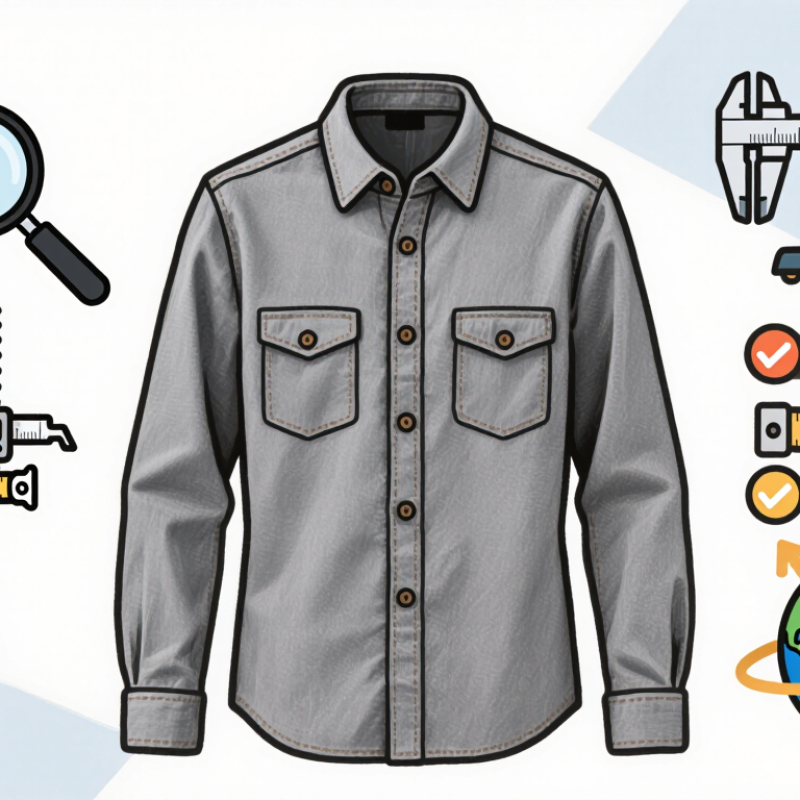
Sourcing a Shirt Jacket for global markets requires more than comparing catalogue prices. Buyers must examine fabric weight, seam strength, button security, sizing consistency, and production capacity. A soft brushed cotton sample may look impressive under showroom lights, yet feel too heavy in warmer regions. Small details matter.

Experienced buyers usually begin with a clear product brief. It should define fabric composition, measurements, color standards, labeling needs, packaging, and acceptable tolerances. Requesting pre-production samples can reveal uneven topstitching, weak snaps, or unexpected shrinkage. Do not rely on photographs alone. They hide texture and construction problems.

Supplier evaluation also deserves practical attention. Review factory experience, quality-control procedures, sample response time, and communication records. Independent inspections can support, but not replace, a buyer’s own judgment. Verify required documentation and product standards for each destination market. Requirements may differ across countries and customer groups.

Costs need a wider view. Include materials, sampling, testing, freight, duties, packaging, and possible rework. The lowest quotation may create higher risk later. A reliable supplier should explain lead times honestly and identify capacity limits before production begins. That transparency is valuable.

No checklist is perfect. I have seen attractive samples fail after washing or lose shape during bulk packing. Those moments show why careful testing matters. The following seven Shirt Jacket sourcing tips will help global buyers ask sharper questions, compare suppliers fairly, and build a more dependable purchasing process. Expect adjustments. Good sourcing is rarely flawless on the first attempt.
7 Shirt Jacket Sourcing Tips for Global Buyers

Define the Shirt Jacket Product Scope and Buyer Requirements

Before contacting factories, define what your shirt jacket actually is. It should sit between a structured shirt and a lightweight jacket. Record the intended season, climate, target customer, and selling channel. Specify the fit with a measurement chart, including chest, shoulder, sleeve, and body length. Keep it measurable.

Material decisions shape the whole product. Choose cotton twill, brushed flannel, canvas, wool blends, or recycled fibers based on warmth and durability needs. State the fabric weight, fiber content, weave, finish, and acceptable shrinkage. A buyer should also describe collar construction, cuff style, pocket placement, placket design, and closure type. Small details matter. A pocket placed two centimeters too low can affect comfort and appearance.

Create a written requirement sheet before requesting quotations. Include color standards, stitching density, seam allowances, labeling needs, packaging, order quantities, and inspection tolerances. Ask suppliers for fabric test results and a pre-production sample. Check colorfastness, dimensional stability, seam strength, and metal component safety. These checks support consistent quality and responsible sourcing. I have seen buyers overfocus on appearance and underdefine performance. That usually creates expensive revisions. Leave room for practical feedback, but document every approved change. A vague scope may feel flexible, yet it often produces conflicting samples and uncertain costs.

Evaluate Fabrics, Construction, and Seasonal Performance

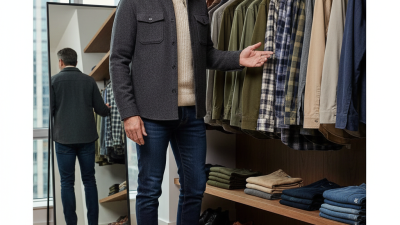
Global buyers should evaluate shirt jackets as working layers, not oversized shirts. Start with fabric weight, fiber blend, and surface finish. For mild climates, a 180–240 gsm cotton blend can provide comfort without bulk. Colder markets may need dense twill, brushed cotton, or lightweight insulation. Request lab results for colorfastness, shrinkage, pilling, and seam slippage. These numbers reveal more than a soft showroom sample.

Inspect collar roll, pocket reinforcement, snap alignment, and sleeve attachment. Clean topstitching should hold its shape during repeated movement. Check bartacks at pocket corners and secure buttons with pull tests. Review seam allowances inside several production samples, not one perfect piece. I once approved excellent fabric with weak cuff stitching. That mistake delayed a seasonal shipment. It still bothers me.

Seasonal performance requires climate-specific testing. Place samples in humid storage, light rain, and controlled wash cycles. Compare drying time, insulation, breathability, and color changes. For warm regions, mesh-lined backs and lighter fabrics can reduce heat buildup. For colder regions, test layering space over knitwear. Confirm measurements after washing, especially sleeve length and body width. Supplier declarations help, but independent testing improves purchasing confidence. No test is perfect. Wearer feedback often exposes weaknesses that laboratory reports miss.

7 Shirt Jacket Sourcing Tips for Global Buyers - Evaluate Fabrics, Construction, and Seasonal Performance

Tip Sourcing Dimension What to Evaluate Practical Benchmark Seasonal Performance Recommended Buyer Action
1 Match fabric weight to the target climate Check fabric composition, GSM, weave density, drape, and layering compatibility. Approximately 150–220 GSM for lightweight transitional styles; 220–320 GSM for cooler-season shirt jackets. Lighter fabrics suit spring, summer evenings, and warm regions. Heavier fabrics provide more insulation for autumn and mild winter use. Request fabric swatches and pre-production samples in at least two weights before confirming the order.
2 Verify fiber content and fabric stability Review fiber percentages, shrinkage, colorfastness, pilling resistance, and dimensional stability after washing. For woven garments, a buyer may specify dimensional change targets such as no more than 3% shrinkage after the agreed care cycle, subject to the product specification. Cotton offers breathability; polyester improves drying and crease resistance; wool blends add warmth; elastane can improve comfort but may reduce heat resistance. Define the exact fiber blend and test method in the technical pack. Do not approve fabric based on appearance alone.
3 Inspect construction and seam quality Assess seam alignment, stitch consistency, seam allowance, reinforcement, skipped stitches, and loose threads. Common lockstitch specifications may use around 10–12 stitches per inch, but the final requirement should reflect fabric thickness and the approved sample. Dense fabrics require secure seams and suitable needles to prevent seam slippage. Lightweight fabrics need clean finishing to avoid puckering. Use a construction checklist covering side seams, armholes, collar points, cuffs, hem, and pocket attachments during inspection.
4 Select closures for end-use conditions Compare buttons, snaps, and zippers for holding strength, corrosion resistance, ease of use, and repairability. Specify closure material, size, finish, attachment method, and replacement component requirements; test closures on the finished garment. Metal components may need corrosion protection in humid or coastal environments. Snaps and zippers can be practical for workwear and frequent layering. Include opening-and-closing cycles and wash testing in the quality plan, especially for utility-focused styles.
5 Evaluate fit, movement, and layering room Review shoulder width, chest ease, sleeve mobility, armhole shape, body length, and compatibility with knitwear. Use a graded measurement chart with tolerances commonly set around ±0.5–1.0 cm for key points, depending on the product and inspection standard. A relaxed fit supports layering in cooler seasons; a closer fit and shorter body can improve comfort in warmer climates. Conduct fit sessions with the intended base layer and test reach, sitting, bending, and arm-raising movements.
6 Check color, care, and wash performance Assess shade consistency, color transfer, crocking, laundering instructions, pressing behavior, and post-wash appearance. Set minimum colorfastness requirements using a recognized test method and define acceptable shade variation before bulk production. Dark colors may show more visible crocking or fading. Brushed and textured fabrics can require gentler care to preserve surface appearance. Approve a care label only after testing the complete garment, including fabric, trims, labels, and interlinings together.
7 Plan compliance, packaging, and seasonal delivery Confirm fiber labeling, chemical compliance, country-of-origin marking, carton protection, lead time, and inspection points. Allow time for lab testing, sample approval, production, final inspection, and transport rather than relying only on factory production time. Seasonal demand increases the risk of delays in fabric booking, testing, and freight. Weather-sensitive assortments need earlier delivery buffers. Create a milestone calendar with testing, trim approval, size-set approval, bulk start, final inspection, and shipment deadlines.

Verify Supplier Capability, Compliance, and Production Standards

7 Shirt Jacket Sourcing Tips for Global Buyers

Verify Supplier Capability, Compliance, and Production Standards

A reliable shirt jacket supplier should show more than attractive samples. Request recent factory photos, production records, and a live video inspection. Check whether cutting, sewing, pressing, and packing happen in-house. Confirm the monthly capacity before discussing large orders. A crowded production line can quietly damage delivery dates.

Ask for a clear process from fabric approval to final inspection. Review sample measurements, seam strength, shrinkage results, and colorfastness reports. Request the factory’s approved material list and batch-tracking method. Small details matter here. They reveal whether quality depends on luck or control. Compare the sample room with actual bulk production equipment. An impressive sample can hide weak mass-production planning.

Compliance needs equal attention. Verify business registration, worker safety procedures, and documented wage practices. Check whether the facility follows applicable product safety, chemical, labeling, and environmental requirements in each destination market. Do not accept certificates without checking their issuer, validity, and covered facility. Ask about subcontracting in writing. Undisclosed subcontractors create traceability problems. I have seen buyers focus heavily on price and overlook inspection timing. That decision often becomes expensive later. Build inspection points into the purchase agreement, including fabric checks, mid-production reviews, and final random inspections. Leave room for correction. Production rarely follows the first plan perfectly.

Compare Costs, Minimum Orders, Lead Times, and Shipping Terms

7 Shirt Jacket Sourcing Tips for Global Buyers

Compare costs beyond the factory quote. Include fabric, buttons, labels, testing, packing, payment fees, and inland transport. A cotton shirt jacket may need heavier twill, reinforcement stitching, and extra folding space. Ask suppliers for a costed bill of materials. Request prices at three volume levels. Minimum orders often change by color, not only by style. Small orders can carry costly setup fees. Very small orders rarely remain “low cost.”

Separate development time from production lead time. Confirm sample approval dates, fabric booking, cutting, sewing, inspection, and dispatch. A practical timeline should include buffer days for failed inspections or port congestion.

UNCTAD’s Review of Maritime Transport 2023 states that over 80% of global trade by volume moves by sea.

Shipping delays therefore affect inventory planning, not merely freight budgets. Use air freight only for urgent replenishment. Its price can erase the original sourcing advantage.

Compare Incoterms carefully. FOB, FCA, and DDP transfer different risks, documents, and cost responsibilities. Ask who pays destination charges, customs clearance, duties, and final delivery.

The World Bank’s Logistics Performance Index 2023 evaluates customs, infrastructure, shipment quality, and timeliness. These factors deserve supplier-specific questions, not generic country assumptions. Request recent production evidence, inspection records, and a written tolerance sheet.

My costing model is still imperfect when exchange rates move. Review it again before issuing the purchase order.

Manage Samples, Quality Checks, and Long-Term Supplier Relations

7 Shirt Jacket Sourcing Tips for Global Buyers

Manage Samples, Quality Checks, and Long-Term Supplier Relations

Reliable shirt jacket sourcing starts with a precise technical pack. Include fabric weight, fiber content, measurements, stitch density, labels, and hardware details. A clear reference sample also prevents costly interpretation gaps.

Request a development sample before placing bulk orders. Check sleeve balance, pocket position, collar shape, and seam strength. Keep a dated sample log with photos and measured tolerances. Test the jacket after washing, pressing, and repeated opening of the snaps.

Small changes can become large production problems. I once approved a sample without checking shrinkage. That mistake delayed delivery and weakened trust. Do not repeat it.

Use inline inspections during cutting, sewing, and finishing, not only before shipment. Review shade consistency under natural light. Count skipped stitches, loose threads, stains, puckering, and uneven bartacks. Ask for corrective-action photos, but verify the result with a physical inspection. Share realistic forecasts and discuss capacity before peak seasons. Pay attention to response speed, honesty, and documentation quality. A supplier who admits a problem early is often safer than one who promises perfection. Record every decision in writing. Review performance after each order, including defects, delays, communication, and sample accuracy. Fair feedback works both ways. Long-term cooperation grows through clear expectations, consistent checks, and practical respect.